
What to Do After Wind or Hurricane Damage
Storm damage is not always obvious from the ground. Wind can lift or crease shingles, loosen ridge materials, disturb flashing and create small openings that admit water during the next rain. Falling branches and wind-blown debris may also damage the roofing surface, gutters, soffit or nearby exterior components.
Start with safety. Do not climb onto a wet, steep or visibly damaged roof. Photograph conditions from the ground when it is safe, move interior belongings away from active water and call for professional help. A photo text can give Just Roofs an initial view, but an on-site inspection is generally needed to understand the full condition.
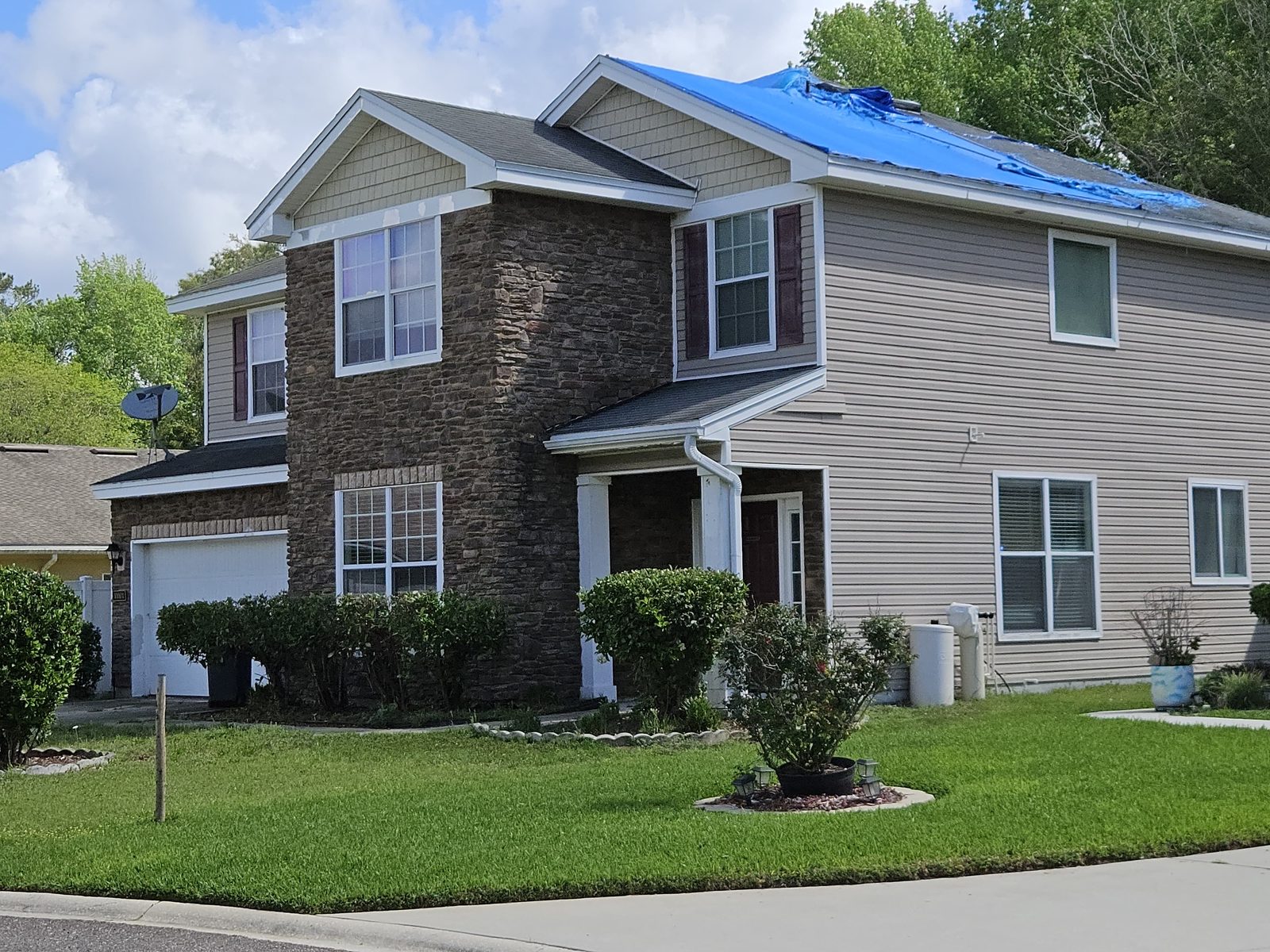
Storm Inspection and Documentation
A storm inspection should distinguish new event-related damage from ordinary wear, previous repairs and unrelated maintenance needs. The roofer can document visible conditions with photos and explain which areas may need immediate protection, focused repair or broader replacement.
- Missing, lifted or creased shingles
- Damage at ridges, edges, vents and flashing
- Tree or debris impact
- Openings that may allow water intrusion
- Soffit, fascia and gutter damage
- Temporary weather-protection needs
Insurance Claim Support Without Pressure
Homeowners make their own insurance decisions and the insurance carrier determines coverage. A roofing contractor can help by providing roof-condition photos, explaining the proposed scope and answering construction questions. Keep copies of communications, photographs and estimates, and ask the insurer what documentation is required under the policy.
Just Roofs’ honesty positioning matters after storms, when homeowners may receive aggressive replacement pitches. The goal is to describe the roof condition accurately and recommend work that is supported by the inspection—not to manufacture urgency.
Repair, Tarp or Replacement?
A temporary tarp can help reduce additional exposure while permanent work is planned, but it is not a long-term repair. Localized damage may be repairable when compatible materials are available and the rest of the roof remains serviceable. Widespread damage, multiple vulnerable areas or an aging roof may change the economics. The inspection should make those tradeoffs clear.
Preparing Before the Next Storm
Homeowners can reduce uncertainty by keeping recent roof photos, contractor records and warranty information together. From the ground, look for loose debris, visibly displaced materials and drainage problems before hurricane season. Address known leaks or maintenance concerns early, when scheduling and weather are less pressured.
After a warning is issued, focus on household safety rather than last-minute roof work. Secure what can be handled safely from the ground and follow local emergency guidance. Roofing inspections and permanent repairs should wait until conditions are safe for both the homeowner and the crew.
Document What You Can Safely See
Once conditions are safe, take ground-level photos of visible roof changes, fallen branches, exterior debris and any interior water marks. Record the date and the rooms affected. Do not climb onto a wet or damaged roof; close-up documentation is not worth the fall risk or the possibility of causing more damage.
If water is entering the home, move belongings away from the affected area when it is safe to do so and place a container beneath active drips. Avoid electrical fixtures and sagging ceilings. Then call for professional help so temporary protection and permanent repair needs can be evaluated.
Storm-Damage FAQs
Should I inspect the roof myself?
Stay on the ground. Wet, loose and damaged roofing is hazardous. Use ground-level photos and schedule a professional inspection.
Does a storm automatically mean I need replacement?
No. The extent of damage and the condition of the remaining roof determine whether repair or replacement is appropriate.
Can you document what you find?
Just Roofs describes its inspection process as including photos and a clear explanation of the roof condition.
Roof Leaking Right Now?
Call Just Roofs for storm-damage and emergency roof-repair guidance.